You see it all the time at the table.
A player looks at the flop and suddenly sits up. Another player freezes. Someone else goes completely still and looks dead at you.
Those are live tells.
You don’t always know exactly what they mean, because tells aren’t universal. Different players react differently at the tables. Some train themselves not to give anything away, while others are so dead inside (like me) that their reactions don’t mean much at all.
But if you pay close attention, tells start to form patterns. And once you recognize those patterns, they can make a huge difference in your decision-making.
Watch my video above or read on for more.
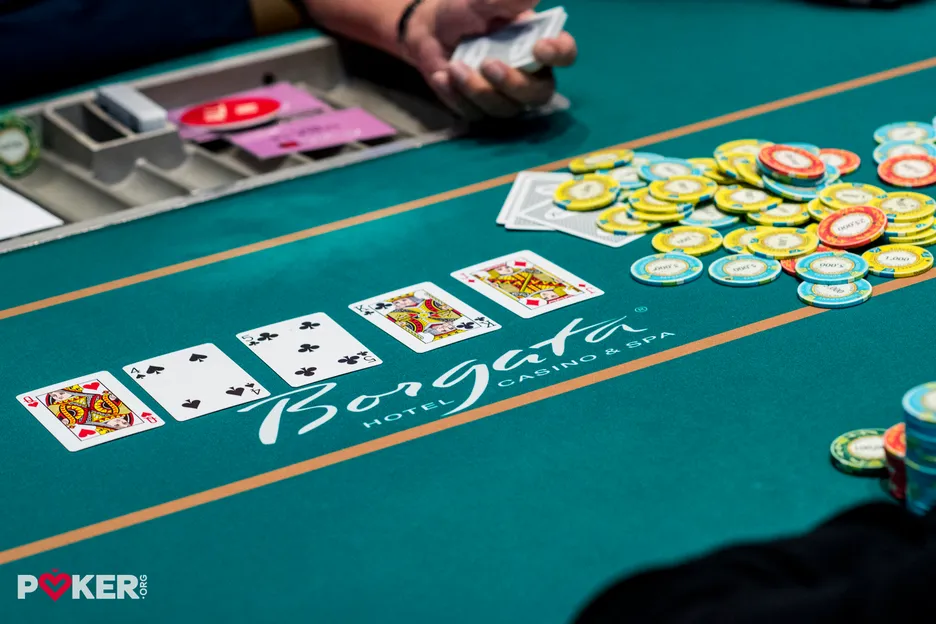 What do you look for when making a big river decision?
Tells aren’t universal - patterns are
I’ve even identified tells in my own game. When I have a big hand and I’m facing a meaningful decision, I usually take an extra three to five seconds before acting. That pause is often a signal that I have a strong hand. I also tend to talk a bit more when I like my hand.
If you’re paying attention early in a hand, you can often tell whether an opponent is bluffing long before you reach the river. By the time I’m facing a tough 50/50 river decision, I’ve already collected a lot of data points along the way versus my opponent.
That’s why you see good pros make calls with ace-high or fold hands like two pair. Those decisions aren’t guesses. They’re based on a mental database built from observing how opponents behave in similar spots.
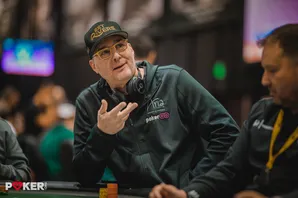
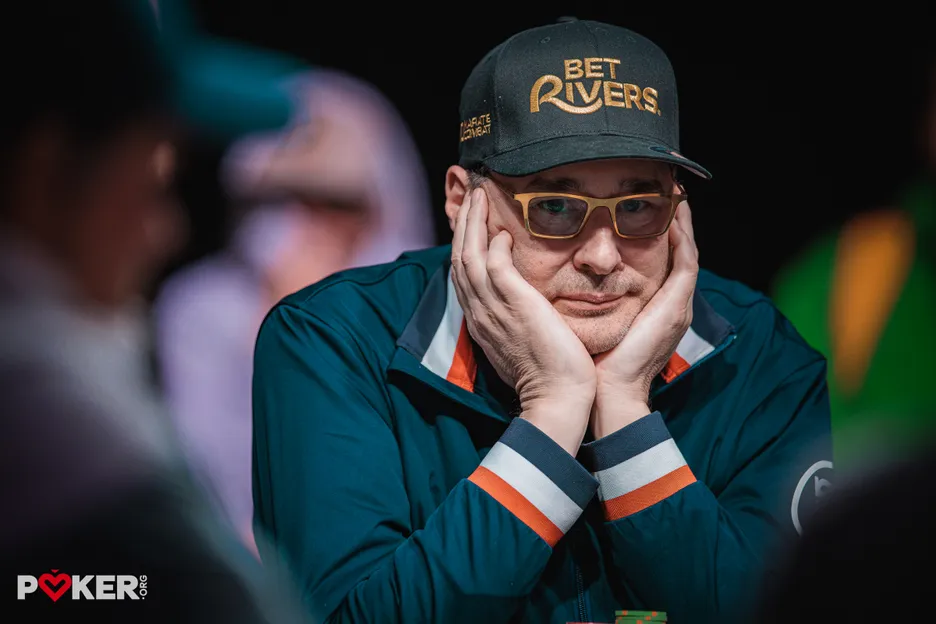 Is Phil Hellmuth conjuring up white magic?





White magic vs. blue magic
Keen observation doesn’t come naturally to most people. Phil Hellmuth calls it 'white magic'. What he really means is observation. He just prefers the dramatic label.
If you’ve ever played with Phil, you’ve seen it. When someone looks at their cards, he stares hard, directly at them. He’ll lock eyes and stay there. It’s uncomfortable, and that’s the point. The discomfort makes players more self-aware, which often leads them to give something away.
I use observation too, but differently.
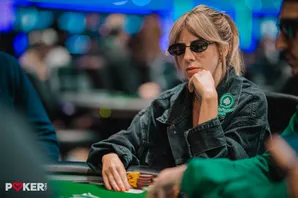
When I’m watching someone, I’m usually wearing sunglasses. I don’t want people to know I’m looking at them. Sometimes I’ll even use my peripheral vision to track their reactions. I’d rather they stay relaxed and unaware.
I don’t know exactly why Phil prefers his method. Maybe he enjoys making people uncomfortable. But that’s the difference between us. He has 'white magic'. I call my observation skills 'blue magic'.
Never show
At the table, I focus most on a player’s hands, breathing, eye movement, and pace of play. Those are the most reliable indicators.
And because good players are watching closely, I strongly recommend that you never show your cards.
When I see someone’s hand, I immediately reconstruct the entire sequence. What did the player do preflop? How did they look at their cards? Did they push them forward? Move them left or right? Did they glance away when they had aces earlier?
I remember those things.
Players love to say, “I show my cards so they think I can bluff.” That logic falls apart quickly. You’re showing your hand to nine different people, and every one of them interprets that information differently. I’m going to interpret it my way: I’m going to store it.
That’s why showing your cards is bad poker.

Observation is exhausting - that’s the edge
There are times when I check out mentally, especially early in tournaments. Because I’m old, first of all, it’s part of aging.
And focusing for 10 to 12 hours straight is hard, and intense observation is mentally draining. You have to manage your stamina. That’s also why Hellmuth complains about how long the WSOP Main Event lasts. The event can be exhausting; long days and nights.
I admit it: I know I’m going to miss some things. That’s unavoidable. But even when I’m not fully locked in, I’m still paying more attention than most players at the table. When I am locked in, the difference is noticeable. A buddy of mine once told me it was ‘spooky.’
And that’s the part people miss.
There’s really no magic. Just observation, applied consistently and relentlessly.
Chris Moneymaker is a Team Pro with ACR and the founder of the Moneymaker Poker Tour. Follow Chris on X.